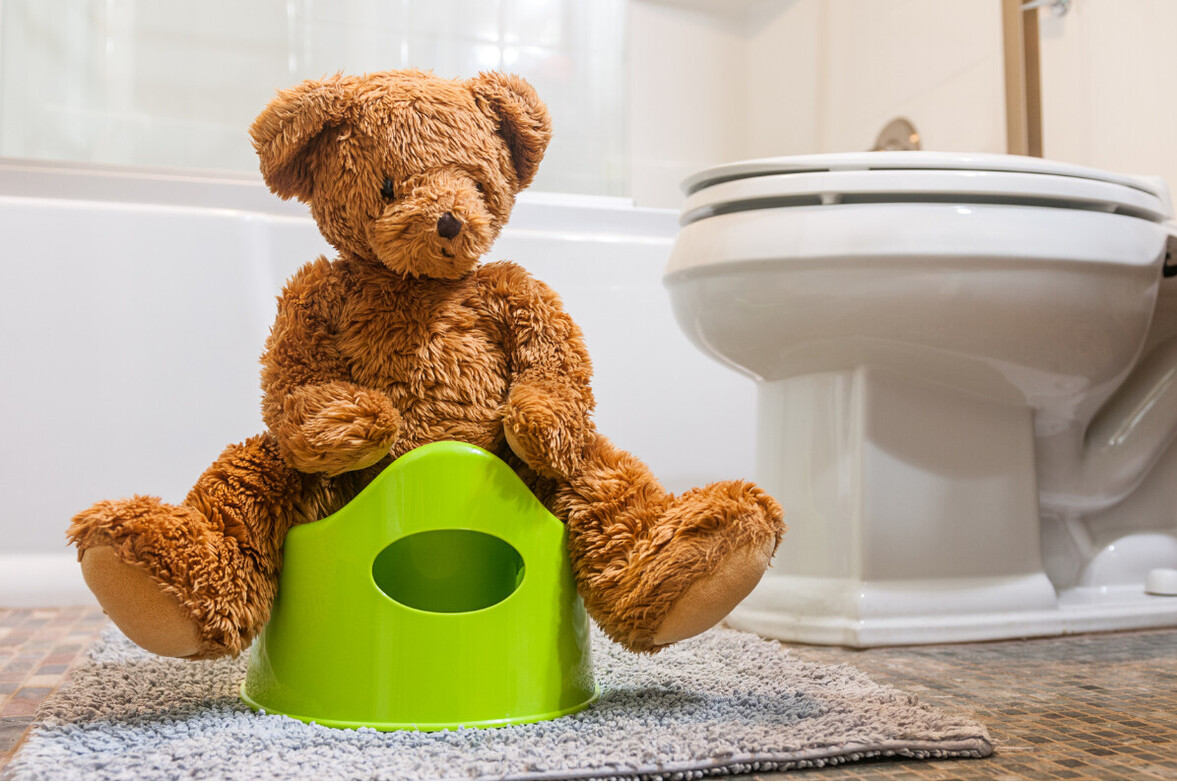
If potty training your autistic child has gone sideways, you're not alone, and you haven't done anything wrong. Most of the advice out there was designed for neurotypical kids. Sticker charts, timers, big-kid undies, the candy bowl on the toilet tank. For autistic kids, those methods often miss the real root cause of why an autistic child may be having difficulty developing potty training skills.
Before I get into what to try instead, I want you to know that if you've felt frustrated, exhausted, or like you're somehow making this worse, that's not because you're a bad parent - it's just that the strategies you were given just weren't built for your child.
What's going on
Potty training asks a child to do a lot of things at once. They have to recognize an internal body signal. They have to interrupt whatever they're doing. They have to walk to a different room, often a small one with hard surfaces, loud flushes, and bright fluorescent lights. They have to undress. They have to sit on a cold seat with their legs dangling. They have to relax their muscles enough to let pee or poop come out. Then they have to wipe, flush, wash, and re-dress before getting back to whatever they were doing.
For an autistic child with sensory or regulation differences, every one of those steps can be a wall.
Some of the things I see most often:
The bathroom itself is overwhelming. Loud flushes, echoing tile, ventilation fans, fluorescent lights, the cold of the seat against bare skin. For a sensory-sensitive child, this overwhelm can be the whole reason they refuse to step inside.
The transition out of play is too abrupt. Stopping a preferred activity is hard for any little kid, and harder when transitions are already a known struggle.
Previous negative experiences in the bathroom. If your child has previously built negative experiences in the bathroom from prior attempts at potty training, they might now feel unsafe or scared with the bathroom environment, and you might not know how to help them move past this fear.
The interoception piece is delayed or muddled - this is common for neurodiverse kids. Interoception is the ability to feel and interpret internal body signals. Your child genuinely may not know they need to go until it's too late.
The clothing change feels worse than the soiled diaper. Cold wet skin, the scrape of a wipe, the sticky pull of a pull-up. Those sensations can feel intolerable.
The whole thing is unpredictable, and predictability is often what helps your child feel safe.
What to try instead
I'm not going to give you a checklist. Every kid is different, and that's the whole point. Generic advice is what got you here. But here are the shifts that change the most for the families I work with.
Start with the bathroom, not the toilet. Let your child explore the space when there's no pressure to do anything. Sit on the floor with them. Read a book in there. Play in there. Run the faucet. Flush the toilet together so the sound stops being a surprise. The goal is for the bathroom to feel familiar and pleasanr before it feels like a place where things are expected.
Make the toilet itself work for their body. Feet flat on a stool, not dangling. A smaller seat insert if the regular one feels too big or wobbly. A warm cover if the cold seat is the dealbreaker. Tiny changes can make a big difference.
Pay attention to interoception. Many autistic kids genuinely don't notice the “I have to go” feeling the way other kids do. Scheduled potty visits can help with this. Not when they say they have to go, but at predictable times throughout the day. Over time, that builds the connection between body signal and action.
Slow down on rewards. Big enthusiastic praise can backfire if your child finds loud reactions overwhelming. A calm, matter-of-fact “you went!” lands better for a lot of kids than a parade.
Pick your battles around clothing. If the wipe sensation is the worst part, find wipes they tolerate. Maybe even a wipe-warmer coudl help so that the wipes aren't cold. If pull-ups feel terrible, try cotton training underwear sooner. Their resistance is information that something is not working for their body's sensory system.
Most of all, drop the timeline. Your child is not behind - their body is working on something complicated. Pushing harder makes the nervous system more defended, not less.
When to bring in support
If you've been working on this for months and feel like you're getting nowhere, that's worth talking about. A pediatric OT, especially one who works on regulation and sensory processing, can look at your child's specific picture and help you figure out which of those pieces is the sticking point. We can also look at the bathroom setup, your daily routine, and what's happening with your child's interoception more generally.
The goal isn't to push your child through the wall. The goal is to figure out which wall it is, and what your child needs to feel safe enough to try.
You know your child better than anyone. You probably already have a hunch about what's getting in the way. Trust it. The right support builds on what you already know.
Ready to talk?
If your child is struggling with potty training and it's starting to feel impossible, I'd love to talk. Empower Kids OT is a private-pay, in-home pediatric OT practice serving families in Onondaga County and CNY. I work one-on-one with parents and kids in your home, on your routines, with strategies built for your specific child.